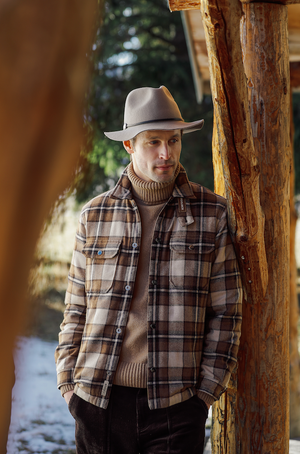

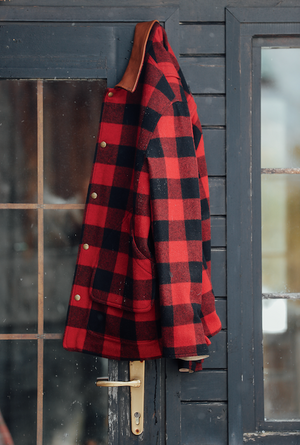
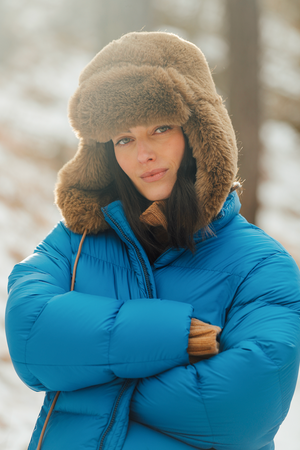
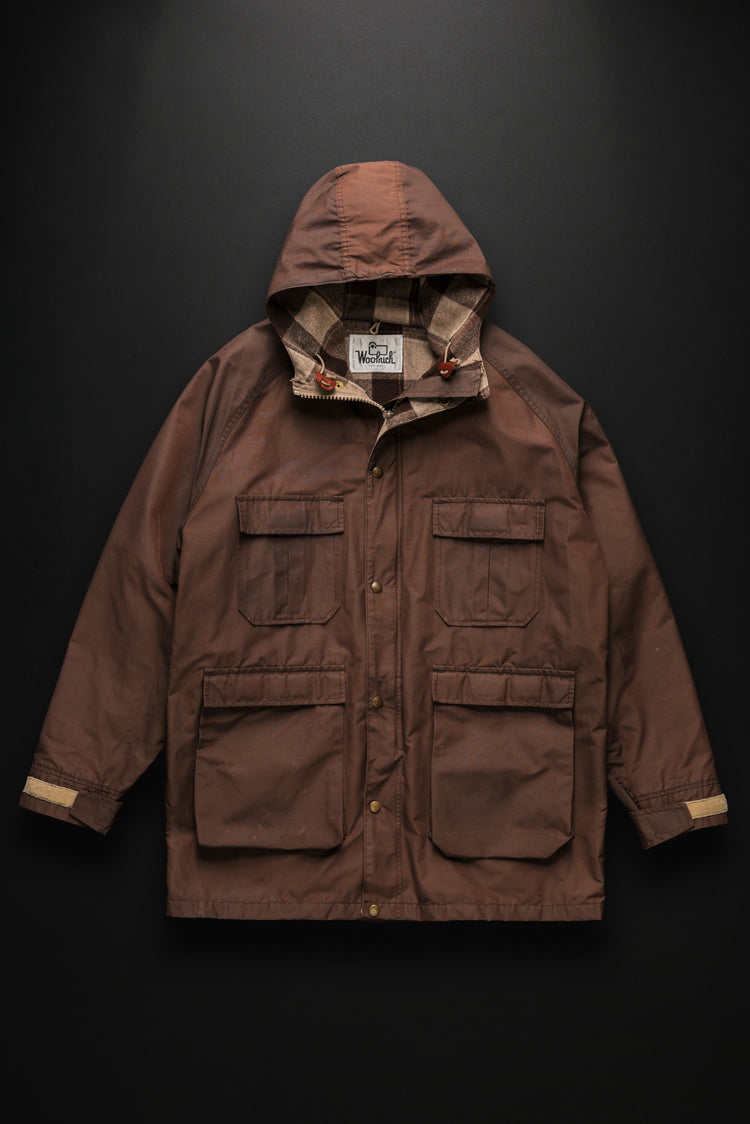
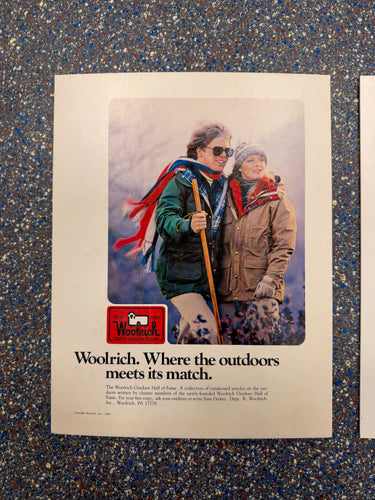
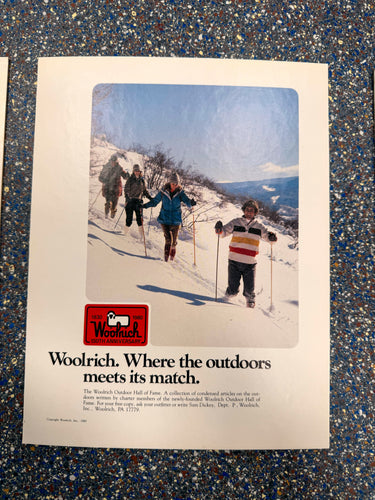
By the late 1970s, Woolrich offered adaptable outdoor layers including a Chamois Shirt in brushed cotton flannel, an insulating wool vest, and a protective Mountain Parka. Each piece had a clear role and could be combined as conditions changed.
A system designed for movement
The Mountain Parka answered a more mobile way of living outdoors. It provided coverage without the weight of a traditional wool coat and worked as the protective outer layer of a flexible system.
Function becomes character
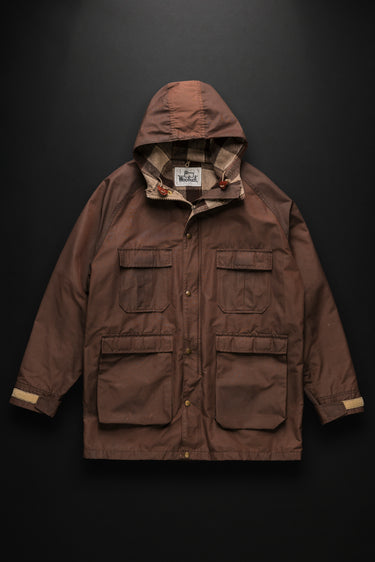
A hood, bellows pockets, a storm front, sleeve gussets, and a back map pocket each had a job to do. Their usefulness gave the parka its visual identity.
That clarity allowed the Mountain Parka to move easily between trail, travel, weekends, and daily life. It reflected a broader shift toward clothing that could perform across different settings.
The logic of layering
This approach to layering remains relevant because it was built around choice: add warmth when needed, remove a layer when conditions change, and rely on a protective outer layer designed for movement.