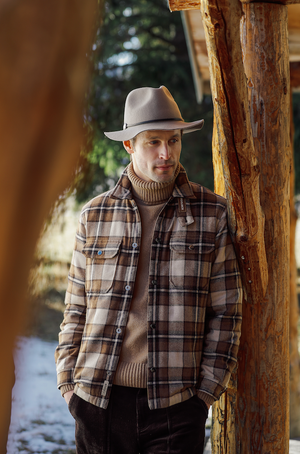


Hunting in a Pennsylvania winter called for warmth, freedom of movement, and clothing designed as a system. Woolrich developed coats, trousers, breeches, vests, and caps that could work together in the field.
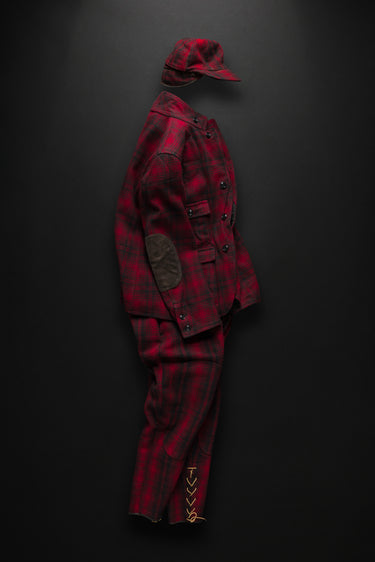
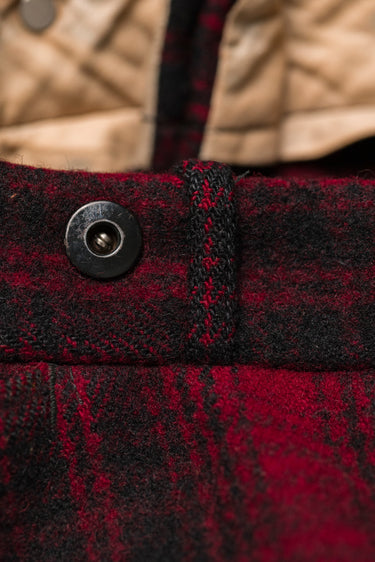
A system for the field
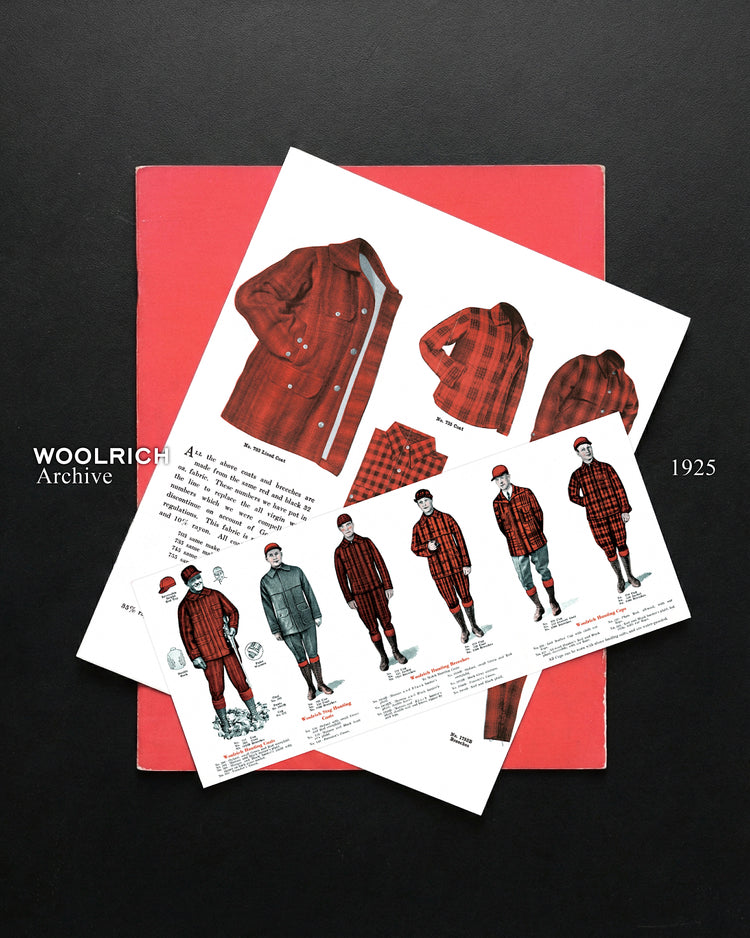
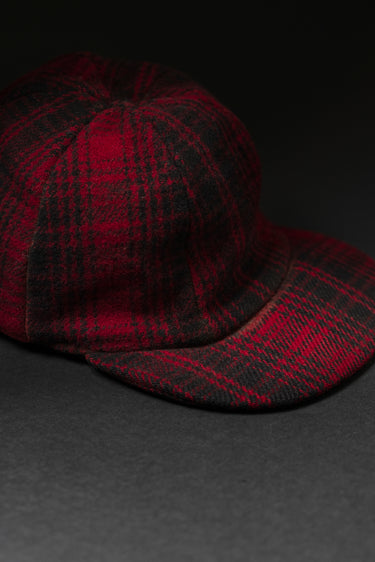
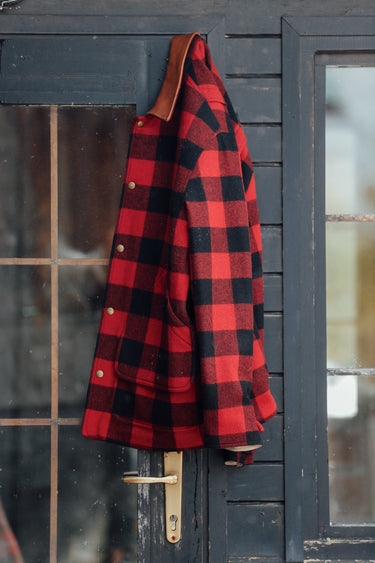
By 1925, Woolrich catalogs presented complete hunting outfits rather than a single defining garment. Wool offered warmth and relative quiet in movement. Red-and-black checks helped the wearer remain visible to others across wooded ground.
Utility pockets, reinforced areas, and coordinated layers were shaped by use. Nothing was added only for appearance; the identity came from the purpose of the whole system.
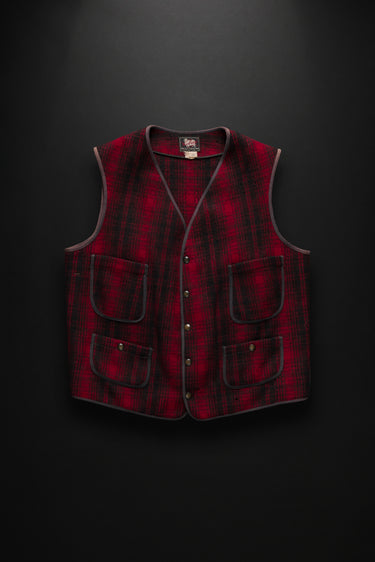
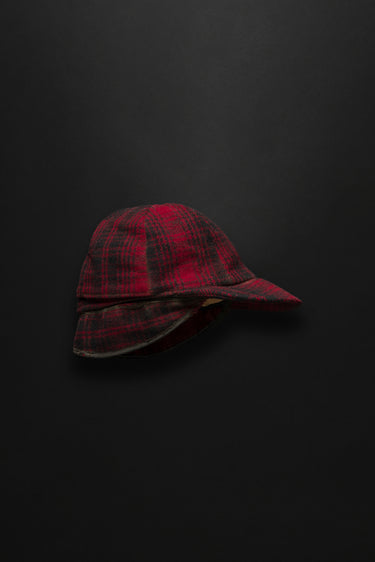
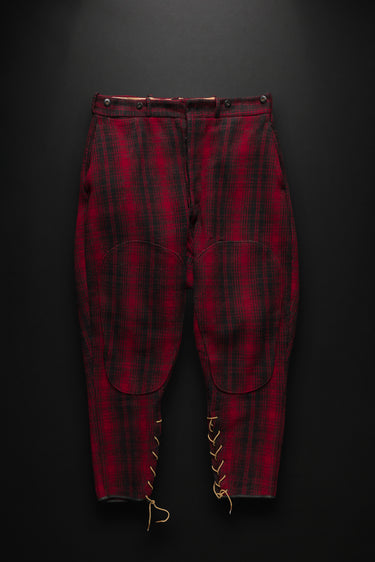
A pattern built to last
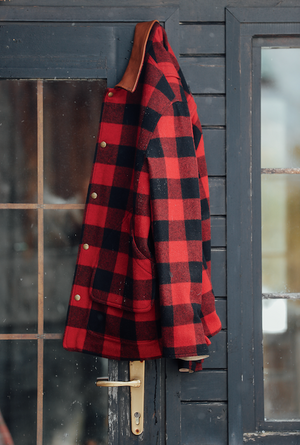
Buffalo Check was direct by design. The scale of the pattern gave the shirt a strong identity, while wool provided dependable warmth in cold conditions. It was made to be worn often and to work hard.
Over time, the check moved beyond its original setting. It entered everyday wardrobes, appeared in music and street culture, and was reinterpreted by generations who made it their own.